How Often Should Dogs See the Vet?


How Often Should Dogs See the Vet?
The Comprehensive Guide to Preventative Canine Care: How Often Your Dog Needs a Vet Visit
As dog owners, the bond we share is often described as unconditional—a loyal friendship that requires nothing but our love in return. But this loving commitment comes with profound responsibilities, and one of the most important tasks is keeping your best friend healthy. It’s perfectly normal to feel anxious when considering pet health; you want the absolute assurance that your dog is happy, comfortable, and free from pain.
The question, “How often should my dog see the vet?” often feels daunting because there is no single answer for every dog. A puppy’s schedule looks completely different from a geriatric Golden Retriever’s. Instead of thinking about strict timelines, you must think about proactive care—treating your annual checkup not just as an appointment to rule out problems, but as a deep collaboration with your veterinary team to maintain optimal health throughout every stage of their life.
Difficulty breathing (open-mouth breathing, gagging), uncontrolled bleeding from gums or trauma, sustained vomiting or diarrhea that prevents hydration, severe pain after an injury, or collapse.
Understanding the Foundation: Wellness Exams
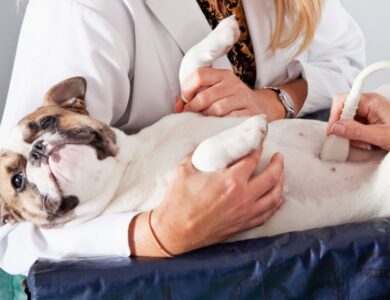
The cornerstone of preventative pet care is the annual wellness examination. During this comprehensive visit, your veterinarian performs a physical assessment—checking heart and lungs, examining skin and coat, testing reflexes, and reviewing overall body condition.
These exams are crucial because they allow vets to detect subtle changes that you might overlook. They are essentially an opportunity for early detection before symptoms become acute or severe. While routine visits provide peace of mind, remember that these appointments are also your window to discuss diet, exercise adjustments, and behavioral concerns.
When you go for a wellness check, bring photos or descriptions of any recent behavioral changes (like excessive barking at the mailman) to help your vet understand your dog’s emotional baseline.
Preventative Care by Life Stage
Your dog’s needs change drastically throughout their life, and veterinary care must adapt with them. The frequency and type of visit should adjust accordingly.
- Puppyhood (0-1 year): Visits are frequent initially for vaccinations and deworming. Regular annual checks continue to monitor growth plates and establish healthy habits.
- Adult Years (1–7 years): Annual wellness exams are typically sufficient, alongside dental and preventative medication schedules. This is the time for maintaining peak health.
- Senior Years (7+ years): Visits may need to become semi-annual or even quarterly, depending on chronic conditions (like kidney disease, arthritis, or thyroid issues). Monitoring blood work (blood chemistry panels) becomes much more critical as organ function naturally declines.
Senior pets often have decreased renal function, making routine bloodwork (like BUN and Creatinine) essential. These tests help detect kidney issues long before clinical symptoms like nausea or poor appetite become obvious.
The Critical Role of Dental and Skin Checks
Often overlooked, poor dental hygiene and chronic skin irritation are among the most common health issues that can quickly degrade a dog’s quality of life. These problems don’t always manifest in one specific area; they often signal systemic stress.
High
Moderate
Very High
Dogs are excellent at communicating pain, but they are notoriously bad at articulating *where* the pain is. Therefore, recognizing changes in their routine—such as a duller coat, sudden changes in chewing habits, or difficulty getting into stairs—is vital for your next vet visit.
Managing Chronic Conditions and Risk Assessment
Some conditions require monitoring that goes beyond the basic annual exam. If your dog has been diagnosed with a chronic condition—such as Cushing’s disease, hypothyroidism, or severe arthritis—your vet will establish a tailored schedule of blood work, X-rays, and physical examinations to track the progression of the illness.
Dental disease is not just a mouth problem. Periodontal infections can release toxins into the bloodstream, leading to systemic inflammation that impacts heart, kidney, and liver health.
Preventative Medications: Beyond the Checkup
Many modern preventative care plans involve monthly or quarterly medications—such as heartworm prevention, flea/tick treatments, and joint supplements. While these aren’t part of the physical exam itself, they are core to maintaining a vet-recommended schedule.
Prevention is always more cost-effective and less stressful than emergency treatment. Staying ahead of parasites, vaccinations, and preventative drugs gives your dog the best chance at a long, healthy life.
Real-World Scenarios
To help contextualize the need for vigilance, here are three common scenarios that illustrate why consistent vet monitoring is essential:
Scenario 1: Chronic Ear Infections.
A dog owner notices a recurring ear infection that seems difficult to treat with over-the-counter drops. The vet monitors the severity and frequency, realizing that repeated infections may be due to underlying poor immune function or allergies requiring systemic testing, rather than just local treatment.
Scenario 2: Gradual Weight Change.
During an annual wellness exam, the vet notices a significant, unexplained weight loss in a supposedly healthy senior dog. This simple observation prompts blood work that reveals early signs of hyperthyroidism—a condition the owner might never have suspected without professional monitoring.
Scenario 3: Skin Allergies and Licking.
A young adult dog spends hours scratching at their flanks, which looks like a simple itch. The veterinarian takes skin scrapings and analyzes history, eventually identifying environmental sensitivities (atopy) that necessitate an annual workup beyond basic flea treatments to manage the underlying immune response.
Any signs of sudden trauma, uncontrollable bleeding (e.g., from an unfamiliar object in the mouth), inability to stand or walk normally, or persistent shallow breathing.
Owner Responsibility and Observation
The vet can only provide expert diagnosis based on presented symptoms. You, the owner, are the primary observer of your pet’s day-to-day life. Pay attention to subtle shifts in behavior that could be indicators of pain, cognitive decline (dementia), or illness.
Keep a simple symptom log—recording details about bathroom habits, appetite, and activity levels daily—which can be incredibly helpful for the vet if your dog is showing signs of chronic discomfort.
Preparing for Your Vet Visit
Before any scheduled appointment, take time to gather information. Write down your concerns and be ready to discuss medications, changes in diet, perceived stress triggers, and recent environmental exposures (like new plants or strange smells). The more prepared you are, the more thorough and effective your visit will be.
Consistency in care is key. By maintaining a routine of preventative screenings and open communication with your vet, you maximize your dog’s chances for extended health and happiness.
Related Topics
If you found this guide helpful, these related articles provide deeper insight into specific canine health concerns:
- Why Does My Dog Shake or Tremble?
- Understanding Separation Anxiety in Dogs
- Guide to All 4 Veterinary Clinics in Iguatu CE
- Can Cats Drink Milk? The Truth About Lactose Intolerance in Cats
- Why Does My Dog Keep Scratching? Common Causes of Itchy Skin in Dogs
- Understanding Microchipping: Why It Matters
- Legislação na Saúde Animal — Guia Animal (Brazil, in Portuguese)
- Guia das Raças de cachorros — Guia Animal (Brazil, in Portuguese)
- Gatos — Guia Animal (Brazil, in Portuguese)
Frequently Asked Questions (FAQ)
How often should a litterless, healthy adult dog visit the vet?
Most veterinarians recommend an annual wellness exam for generally healthy, low-risk adults. However, if you notice any persistent changes in routine—like digestive upset or skin issues—you should schedule a visit sooner.
Do senior dogs need different frequency care?
Yes. As dogs age (usually starting around 7+), the focus shifts from simple vaccinations to advanced monitoring. Your vet will likely recommend semi-annual blood panels and more detailed physical examinations to track organ function.
What is the minimum required frequency for vaccinations?
Vaccination schedules are determined by local risk and the vaccine type (e.g., Rabies, Bordetella). Always follow your vet’s specific protocol, as rules can change based on regional outbreaks or changes in canine immunity science.
Do I need a vet visit if my dog only has minor, localized symptoms?
Even for seemingly minor issues (like persistent mild diarrhea or excessive scratching), scheduling a visit is crucial. A local symptom may be the first sign of a systemic problem that requires deeper investigation.
Should I treat preventative supplements (like joint care) at home?
Always consult your veterinarian before starting any supplement regimen. Some vitamins or joint additives can interact poorly with existing medications or underlying health conditions, requiring vet guidance for correct dosage and timing.
What should I do if my dog needs emergency care between scheduled visits?
If your pet is ill or injured outside of regular business hours, you must contact an emergency veterinary clinic immediately. Do not wait until the next appointment. If the signs are life-threatening (like severe bleeding), do not hesitate to use a roadside emergency service.
Remember that the relationship between you and your vet is a partnership. Don’t hesitate to ask questions about anything, from subtle changes in stool consistency to complex medical reports—there are no silly questions when it comes to pet health.
For maximum peace of mind and longevity, commit to making preventative care a non-negotiable part of your dog’s life routine. An annual checkup, coupled with attentive daily observation from you, is the strongest defense against preventable illness.
Keywords: canine wellness exam, how often to visit vet for dogs, preventative pet care, senior dog health, puppy vaccinations schedule, veterinary checkup signs, canine dental care, breed-specific pet care, pet owner guide, proactive dog medicine